Lejkov Mill is located at the lowest point of the Košátky brook, halfway between the Byšice railway station and Liblice. A mill stood on this site as early as the Middle Ages, shortly after the founding of the village of Liblice. Originally, it was situated on the left bank of the millrace and was driven by a water wheel. It was likely named after Mr. Lojek, one of its early owners.
Historical records show that a roller mill was built here in 1673, owned by Mr. Vencovský (also recorded as Vinovský or Venanský). It is unknown how long he held the property. In 1742, an unnamed owner constructed a small mill, which was later expanded by Mr. Hudík (or Tvrdík). In 1789, Mr. Fanta became the owner. Following his death, his wife took over the mill and subsequently sold it to the Liblice estate, which at the time belonged to the House of Deym. On December 31, 1862, Countess Antonie Waldstein of Wartenberg purchased the Liblice estate, which included Lejkov Mill.
Towards the end of the 19th century, the mill on the left bank of the millrace burned down and was never rebuilt. Instead, the Countess had a new and larger mill constructed on the opposite bank. Parts of the original mill were repurposed as building materials for farm structures. Instead of a water wheel, a water turbine with a capacity of up to 16 HP was installed, and the mill underwent a major expansion; it featured three floors and included an on-site bakery. The mill was capable of processing up to 300 quintals of grain per week.
During the First Czechoslovak Republic, Lejkov Mill remained part of the count’s estate and was leased out. After Mr. Šubrt (or Šustr) ended his lease in 1930, Josef Pekař and his son took over the tenancy. Together, they revived the mill’s operations, though without the bakery, as several bakeries were already operating in Byšice (run by Mr. Hejna, Mr. Štancl, and Mr. Frýdl) and another was located in Liblice. As demand for high-quality flour grew, work at the mill continued day and night under the light of kerosene lamps, which was highly hazardous. Between 1934 and 1935, Josef Pekař purchased a dynamo at his own expense and electrified the entire mill along with the residential quarters. This was the very first electric lighting system in the village and the wider surrounding region. Under Pekař’s management, people from many surrounding villages came to have their grain milled. In the pre-war period, the mill supplied its products to businesses in Mělník, Neratovice, Kostelec nad Labem, and even Prague. Initially, Mr. Štefl distributed the flour using a horse-drawn wagon, but as he could no longer keep up with demand, František Dlouhý from Byšice stepped in with a delivery truck. In 1938, Josef Pekař attempted to purchase the mill from the count’s family, but was unsuccessful. Following land reforms, Count Thun fell into significant debt and sold a large portfolio of properties, including Lejkov Mill, to Dr. Ing. Eduard Outrata and Ing. Emil Švec. The new owners carried out a reconstruction, raising the water head to 4.8 meters and installing a new Francis turbine that reached an output of 29 HP, with a water flow of 600 liters per second. Further planned renovations never took place due to the outbreak of World War II, which forced the owners to flee the country. Before leaving, however, they concluded an agreement with Josef Pekař, allowing him to operate the mill throughout the war with the promise that they would sell it to him once it ended. This sale did indeed take place after the war, though it later became the subject of a legal dispute between the descendants of Mr. Pekař and Mr. Outrata.
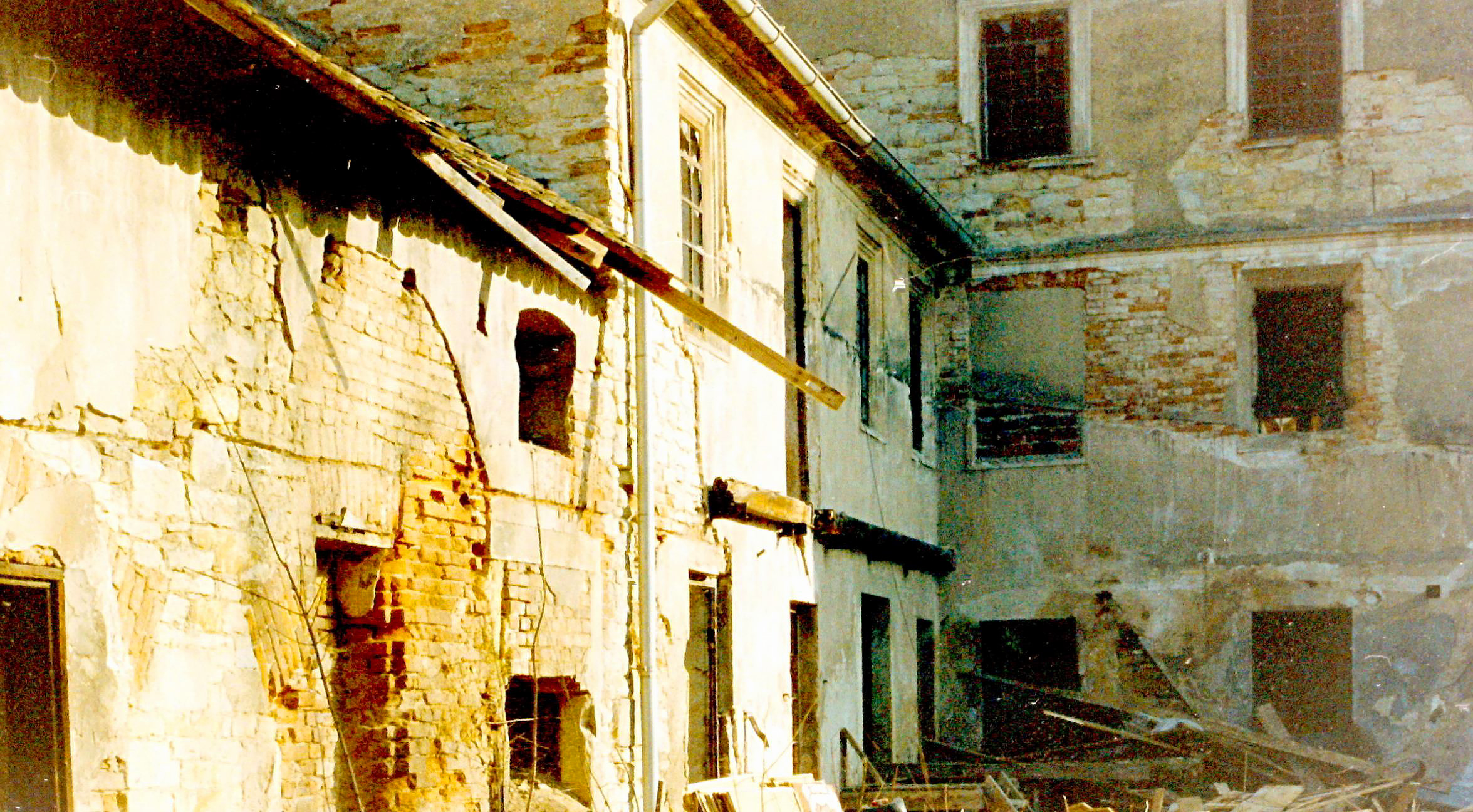
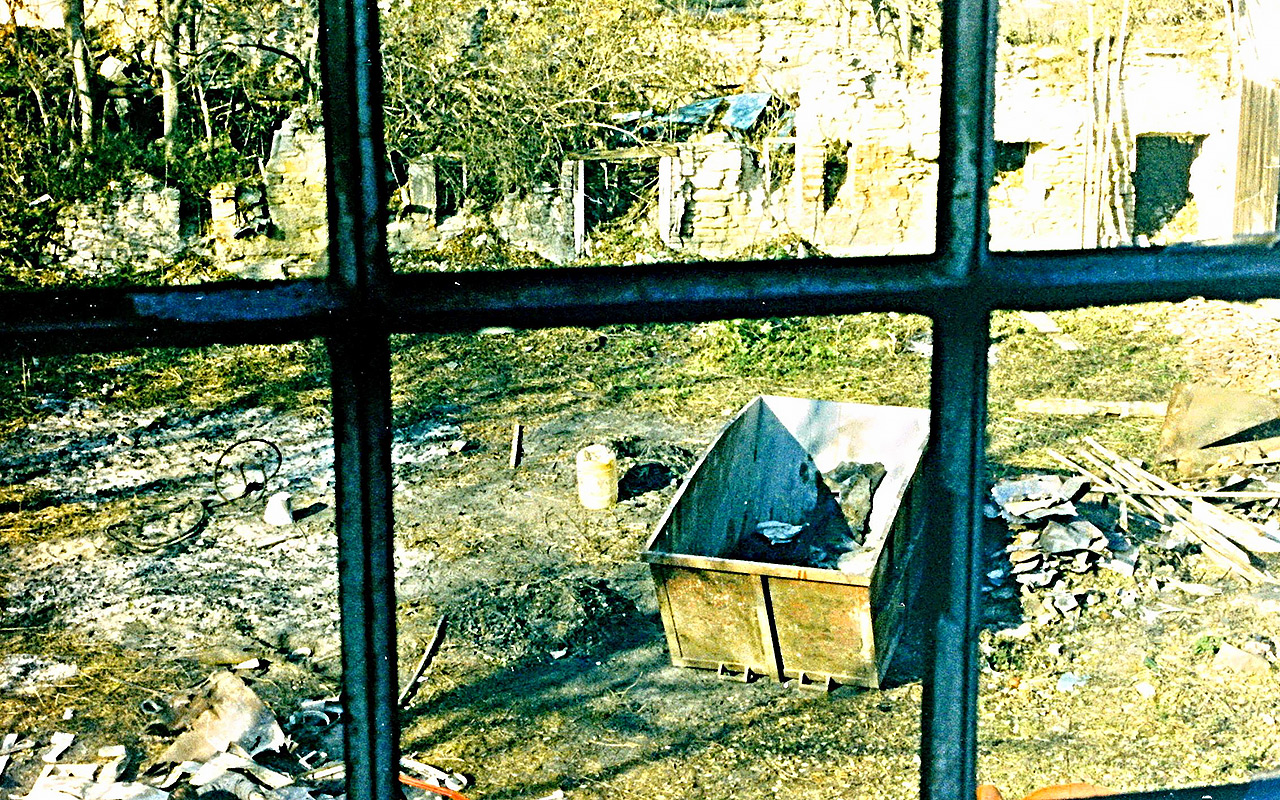
With the establishment of the Protectorate, milling regulations changed drastically. Josef Pekař milled grain beyond his legal allowance, leading to his imprisonment and a heavy fine. After four months, he resumed milling covertly on the black market. He was convicted once more and returned from prison after eleven months, on November 15, 1943. At the end of 1947, the owner, Mr. Outrata, arrived in Lejkov and sold the mill to Pekař as agreed. However, in August 1948, forced administration was imposed on the mill, and within days, the Agricultural Cooperative took over the premises along with all inventory. The mill was returned to its owner by the end of the year, though stripped of its supplies. In early 1949, the miller signed a contract with the Vitana company to mill peas. In August 1949, a devastating fire broke out at Lejkov, destroying the farm buildings and stables. Between 1950 and 1958, the State Farms operated the mill as a gristmill. In 1959, the Kostelec nad Labem Sugar Refinery took over the mill to experiment with pelleting seeds for single-germ sowing. In 1960, nationalization took place, and the mill was transferred to the Mělník Agricultural Cooperative and later to the JZD Liblice (Unified Agricultural Co-operative). In 1967, the residential building was returned to Josef Pekař, and in 1970, the JZD sold the mill along with the residential quarters for 2.5 million Czechoslovak crowns to the Geoindustria Prague company. Following the resolution of restitution claims and a successful court battle against Dr. Outrata’s descendants, the descendants of Josef Pekař took back possession of the devastated mill in 1991, selling it to a private owner in 2003. “At that time, an appraiser determined that the property was more than eighty percent dilapidated,” recalls Dana Mejsnarová, who purchased it back then. “Only the mill house and the residential section still had a roof; the rest of the homestead was in a state of utter ruin—cracked walls, rotten roof trusses, collapsed ceilings and vaults, and the remains of a burned-down farm building. The hoppers inside the mill house were filled with moldy grain. Only later did we realize that part of the old machinery could be removed without structurally affecting the building itself. In other words, we discovered we could create grand, open spaces inside the mill house while preserving most of the beautiful machinery and original mechanical lines as a testament to its past.”[1]
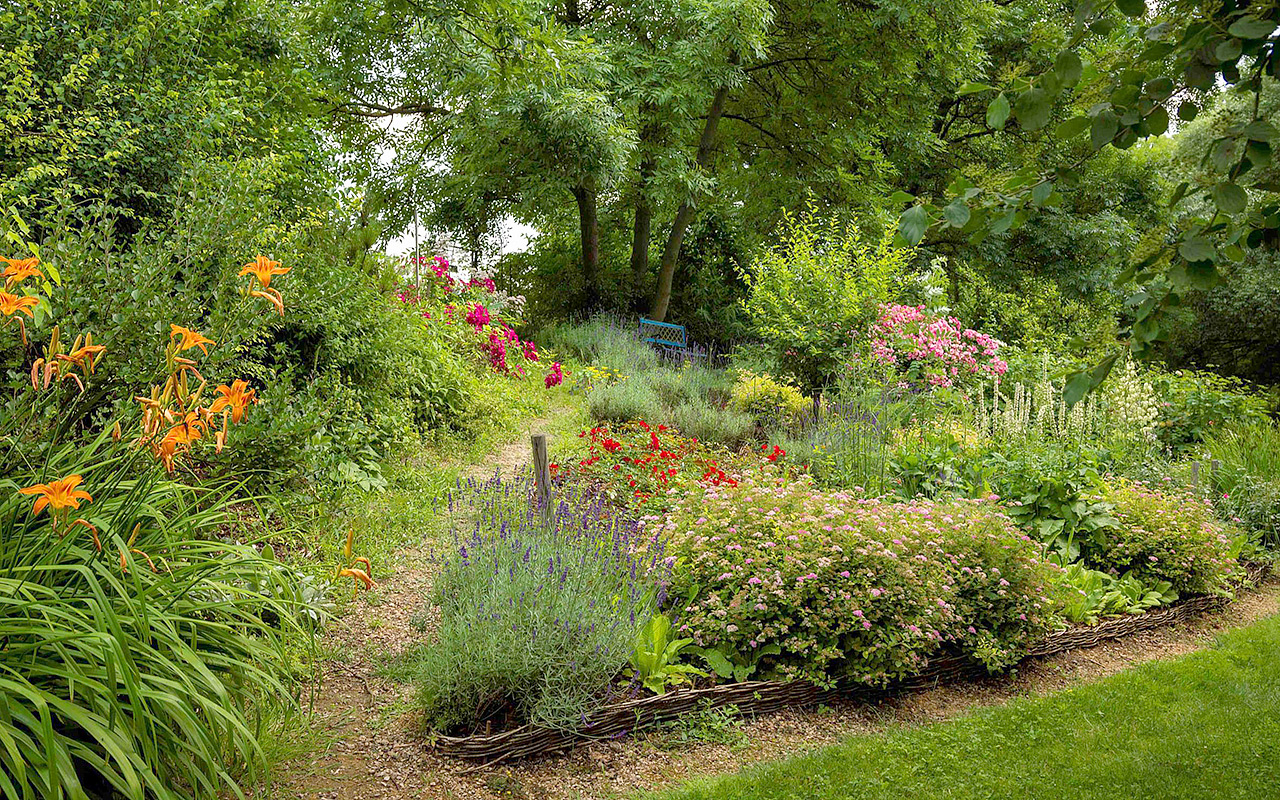
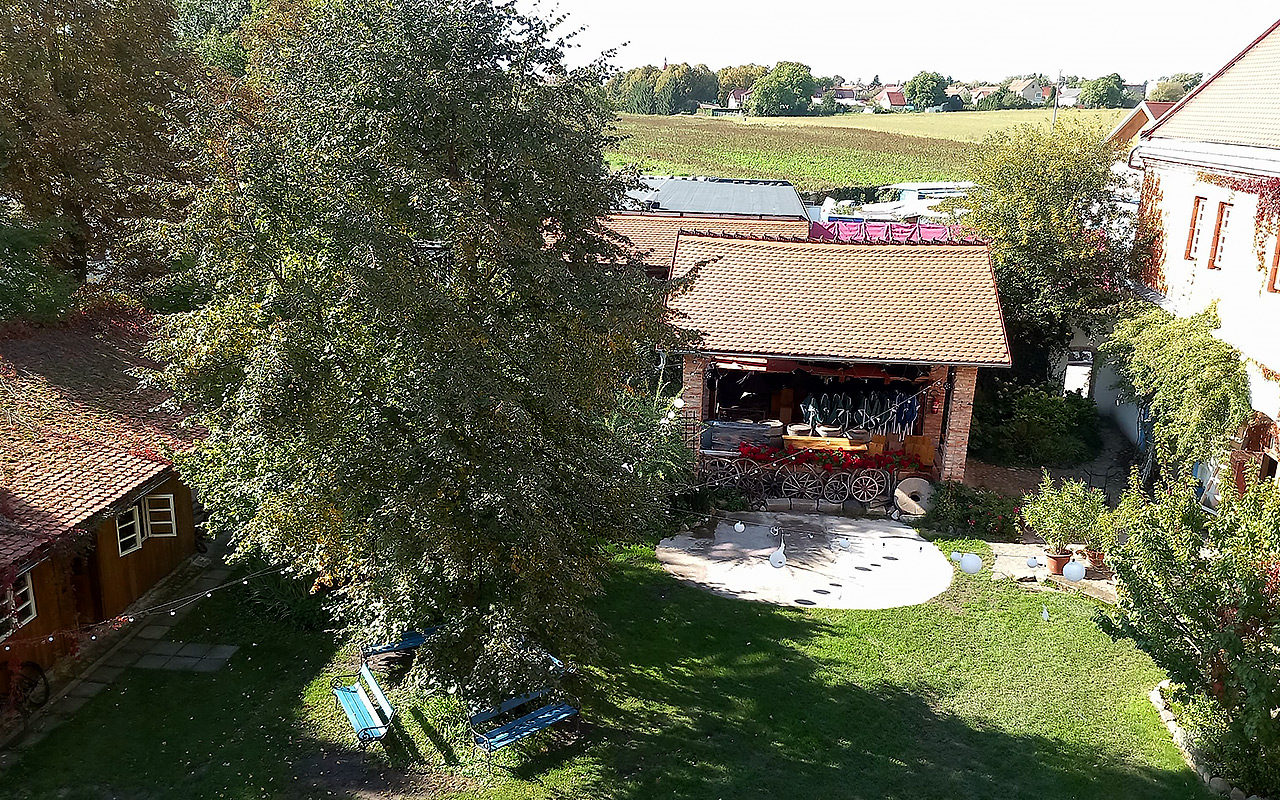
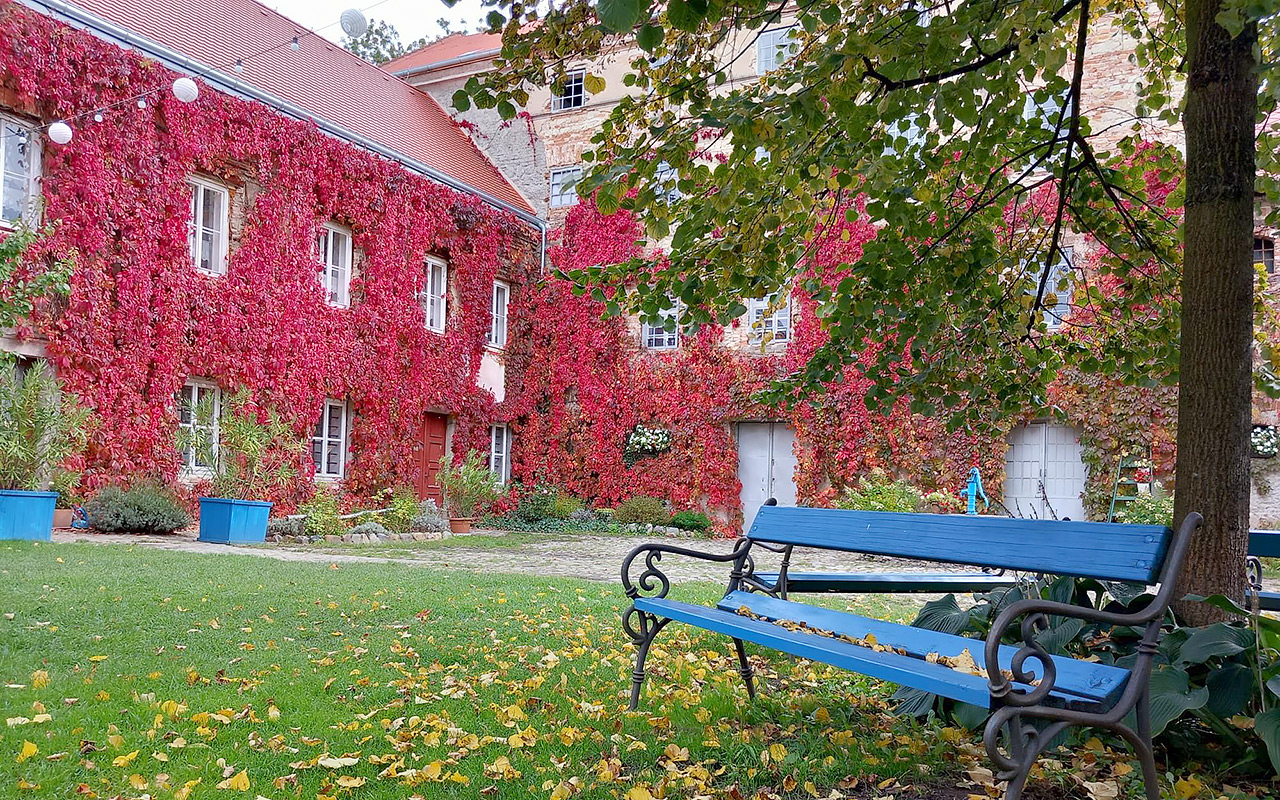
To this day, the Mejsnar family continues to gradually restore Lejkov Mill using their own private funds, without any subsidies. The property serves as the family home and as the headquarters for their family business—a prop and decoration rental shop for social events and film productions. Over the past decade, the name “Modrý mlýn” (The Blue Mill) has become widely established for Lejkov Mill. Under this protective brand, the family occasionally rents out the estate for private events, most frequently weddings.
On the occasion of 20 years of restoration, the family hosted its first Open gates and garden day on October 7, 2023.
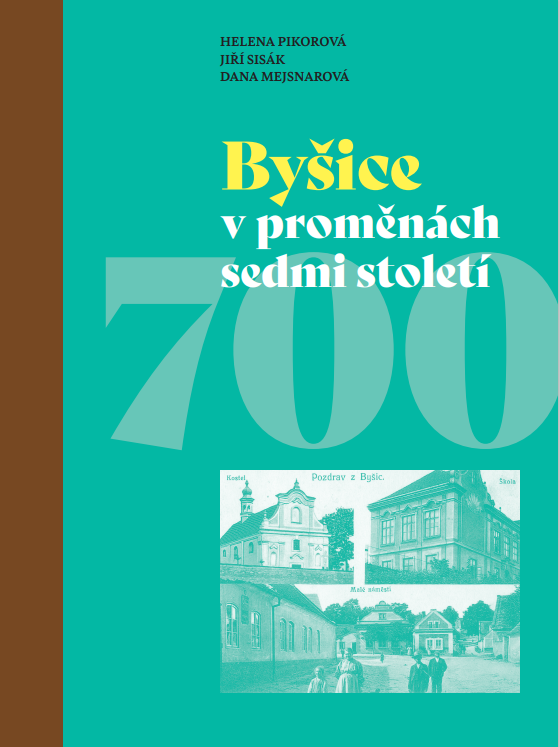
Source: Byšice v proměnách sedmi století (Byšice Through Seven Centuries). Published by the Municipality of Byšice, 2023. Edited by Dana Mejsnarová, owner of the mill. The book is available for purchase at the mill or at the municipal office in Byšice.